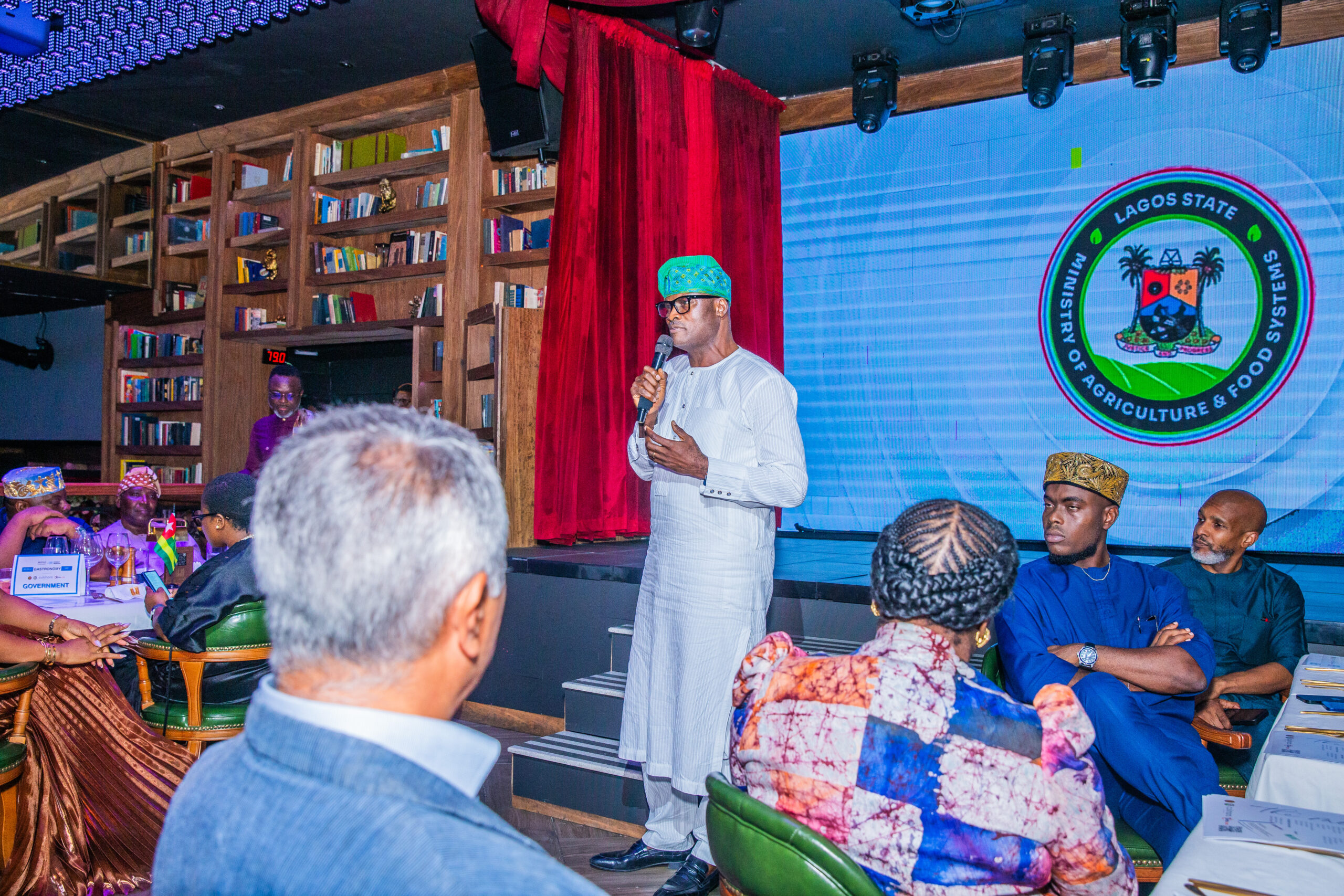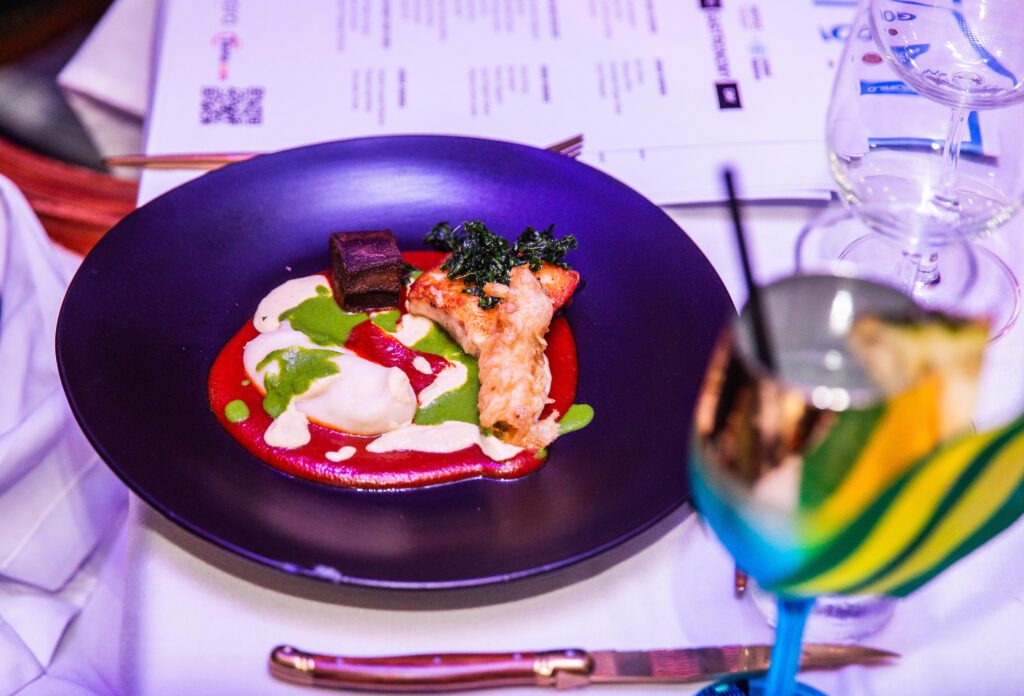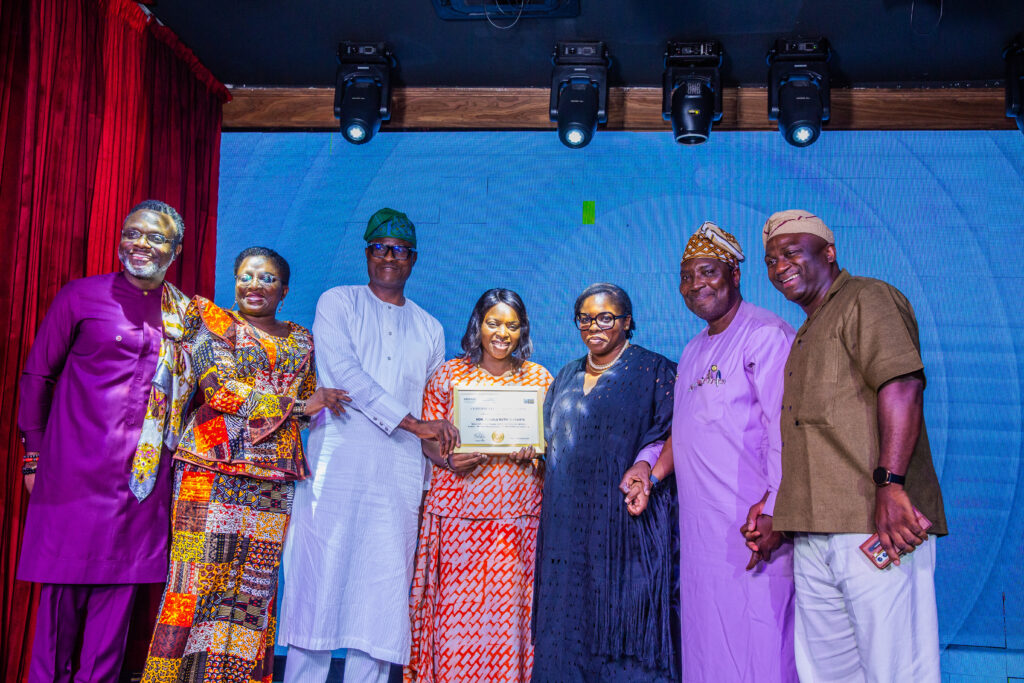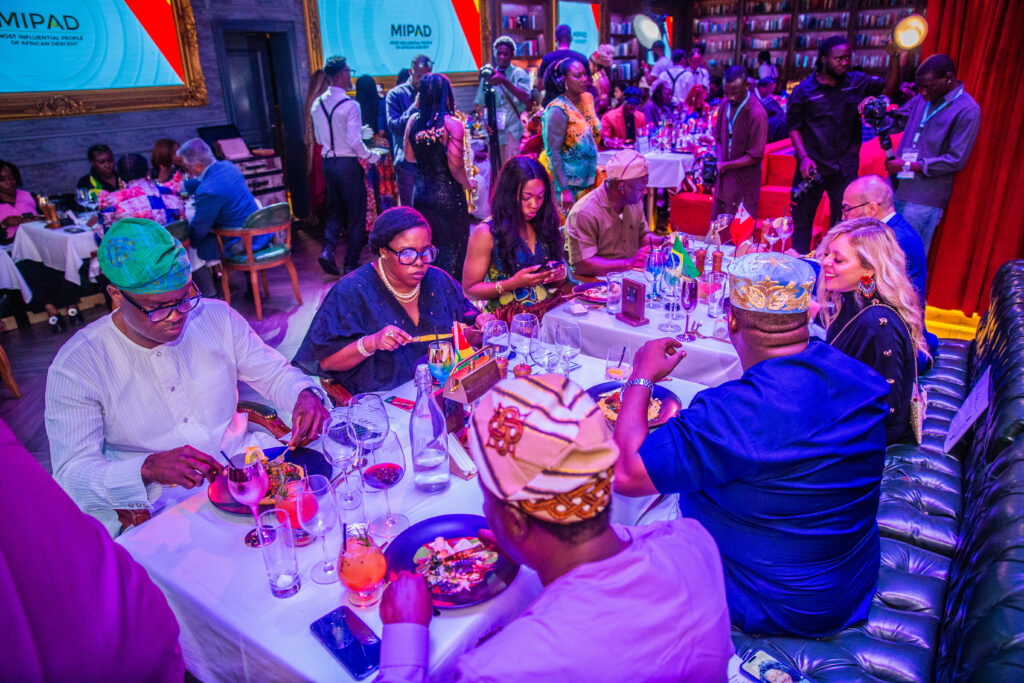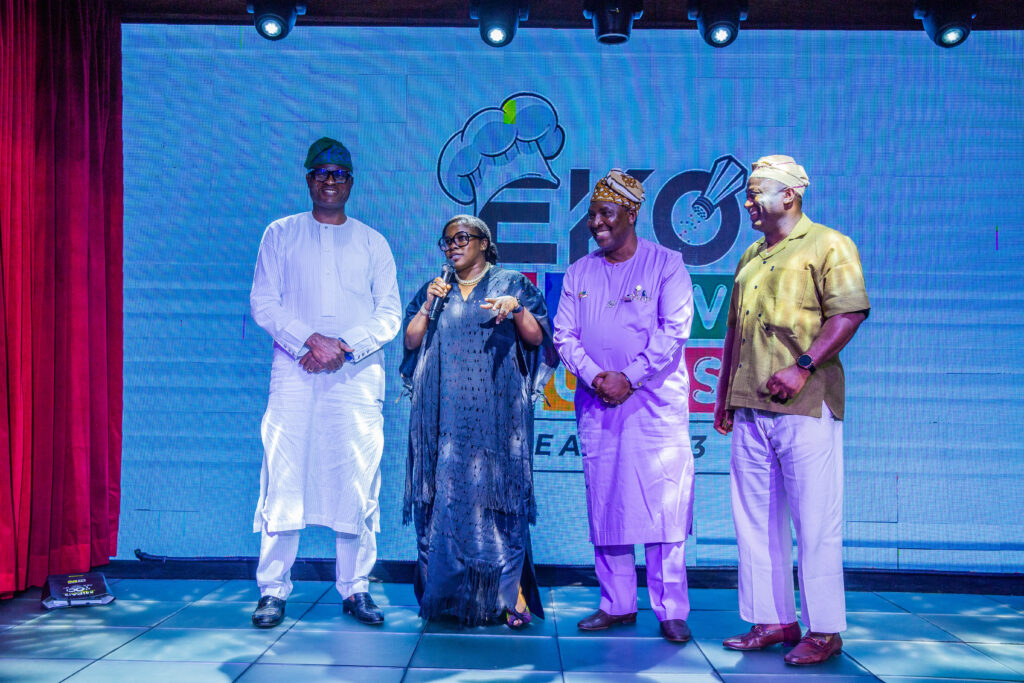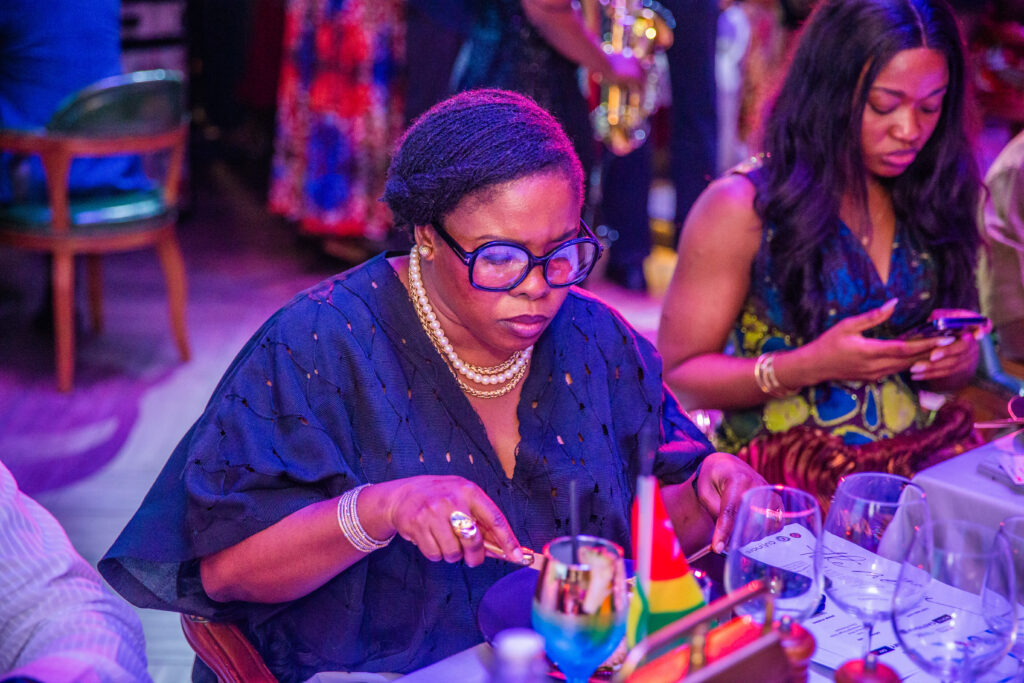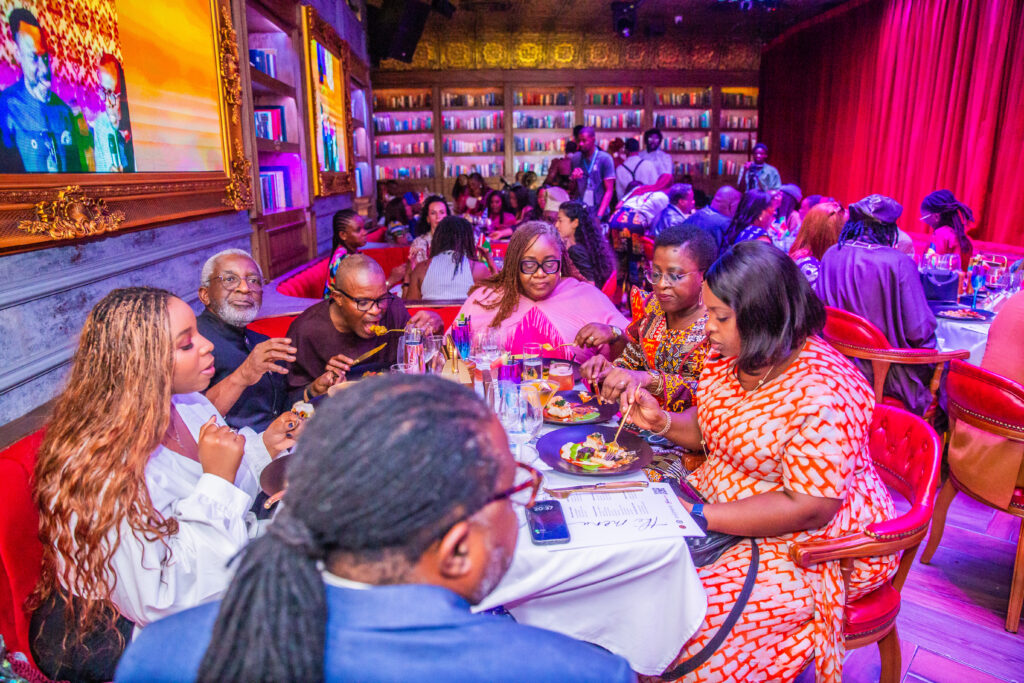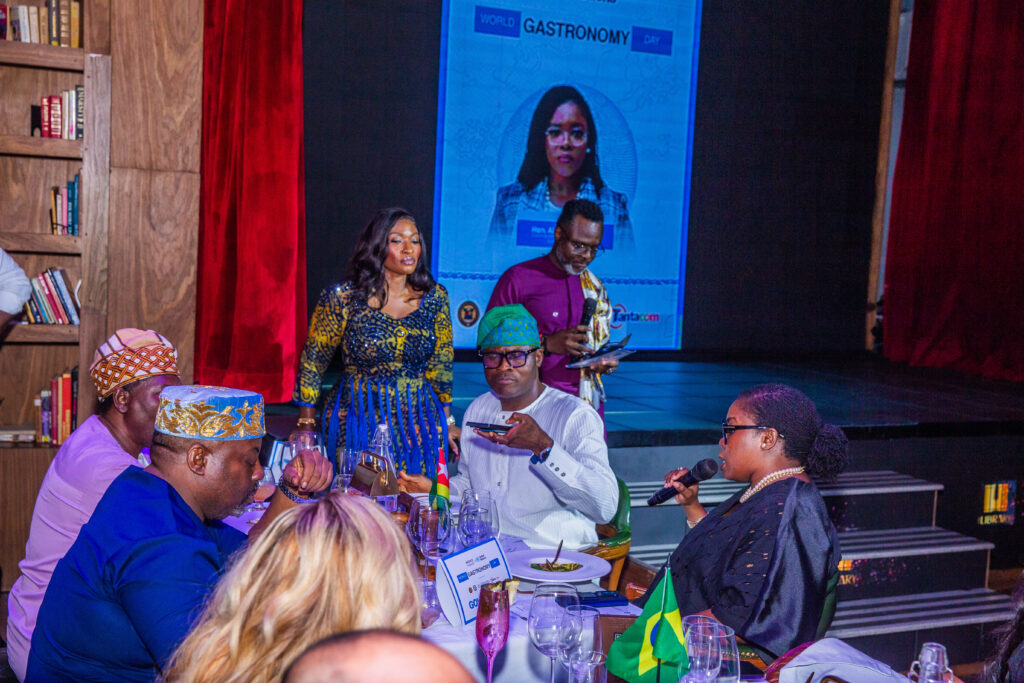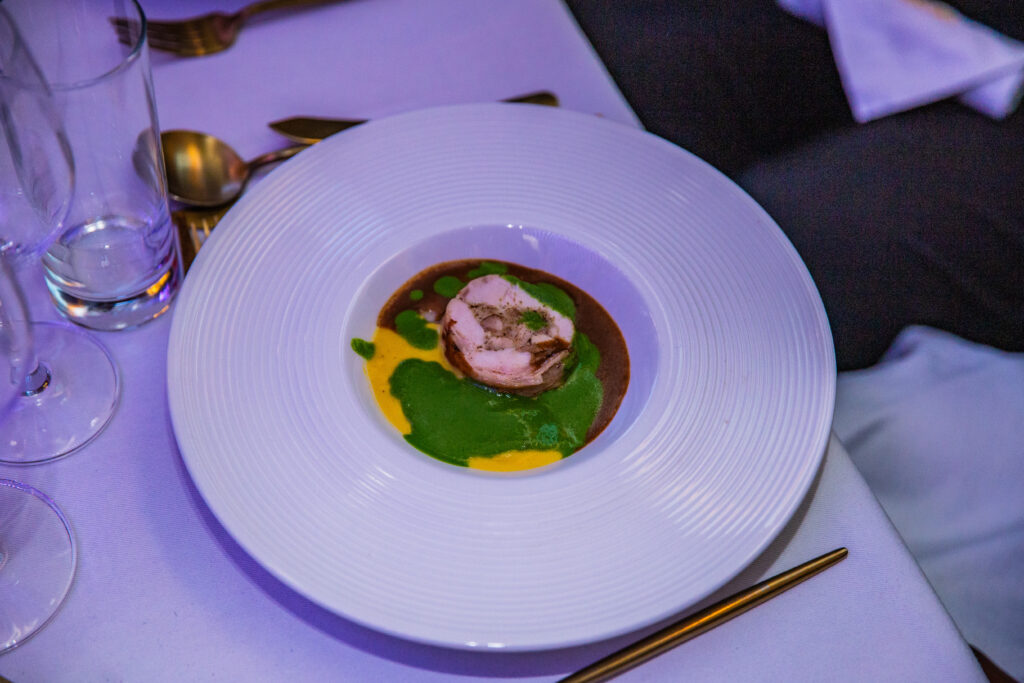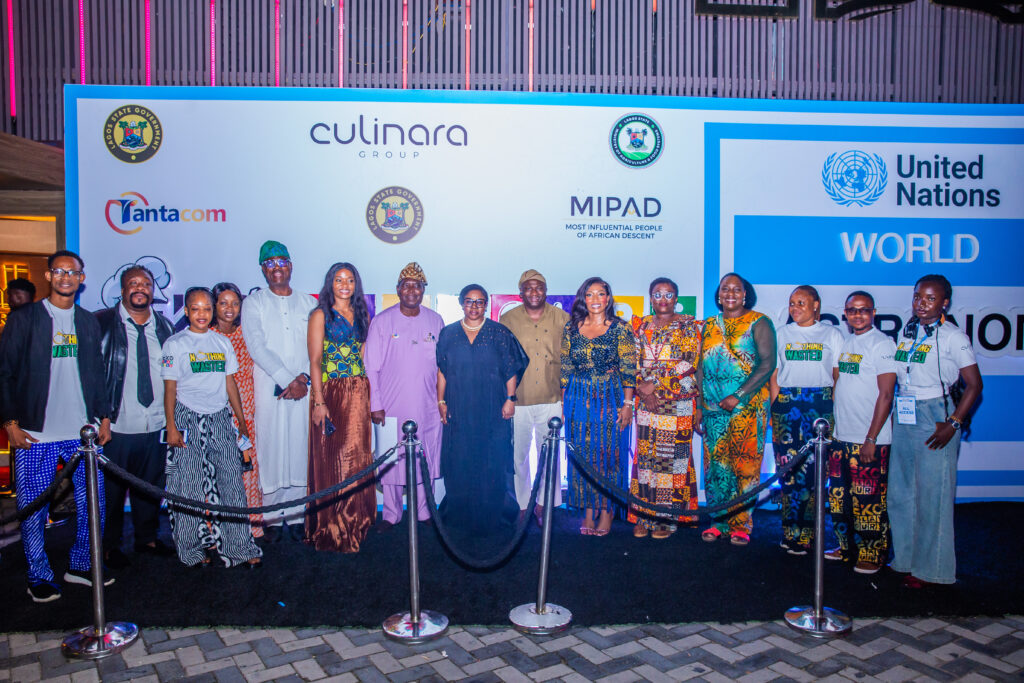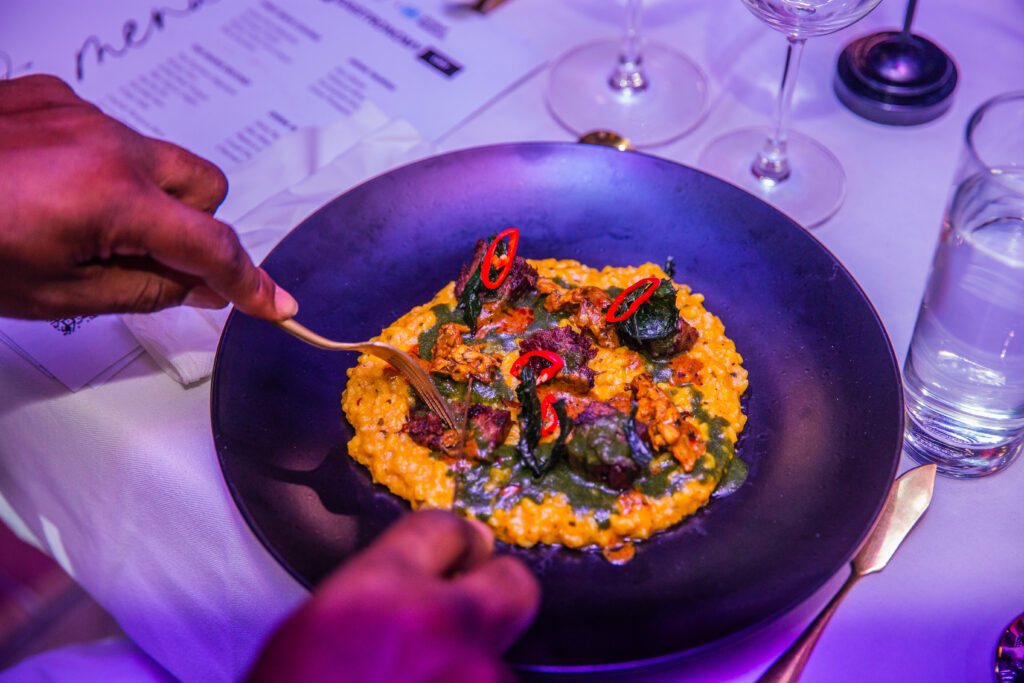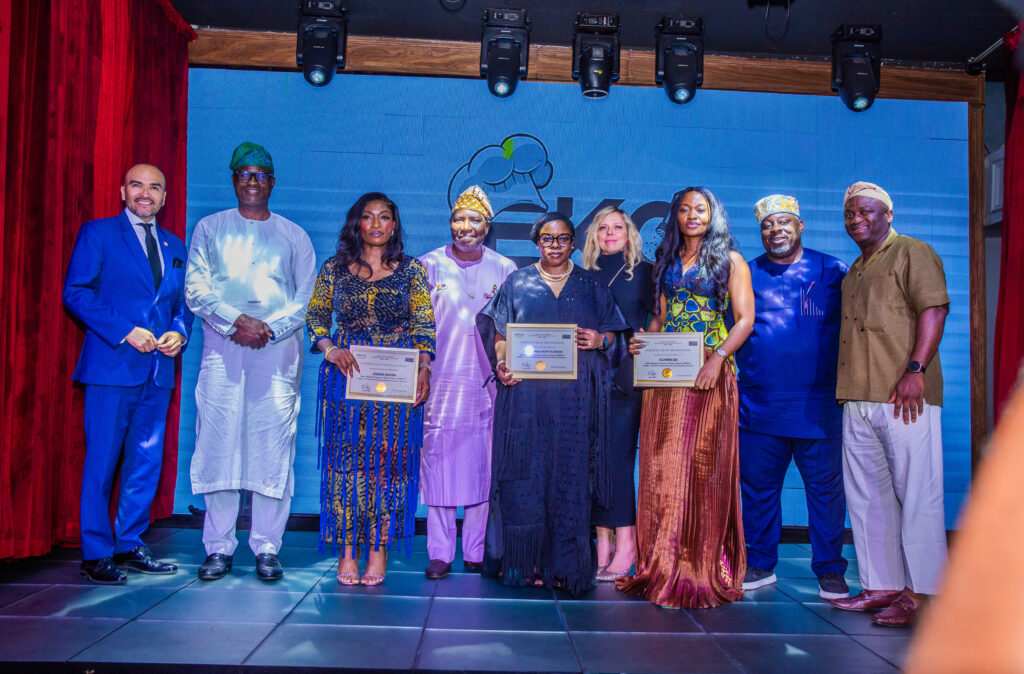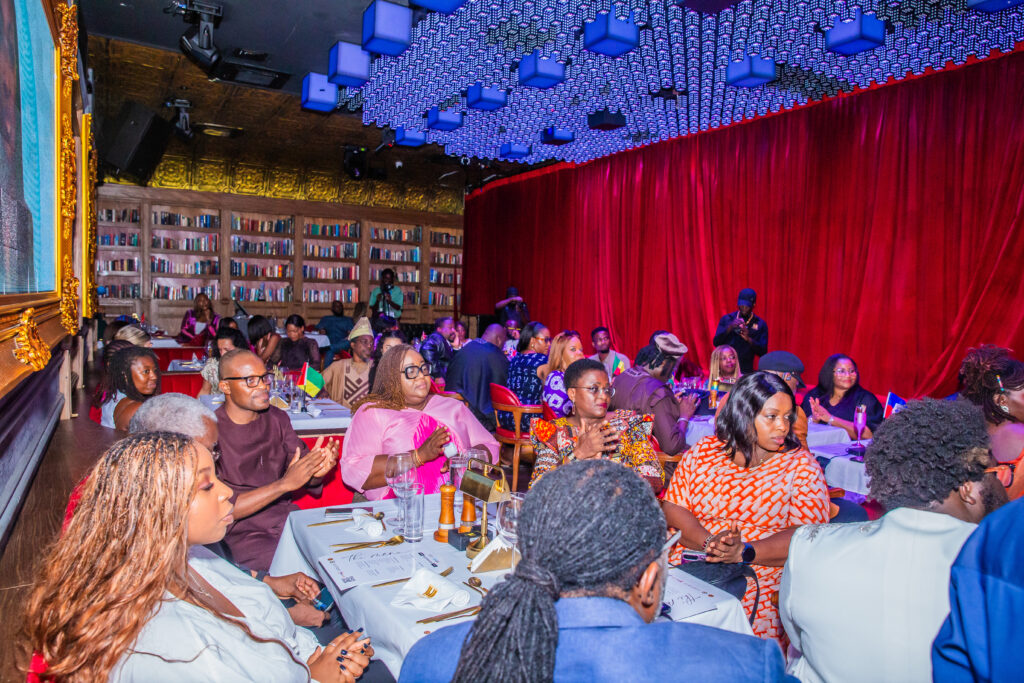
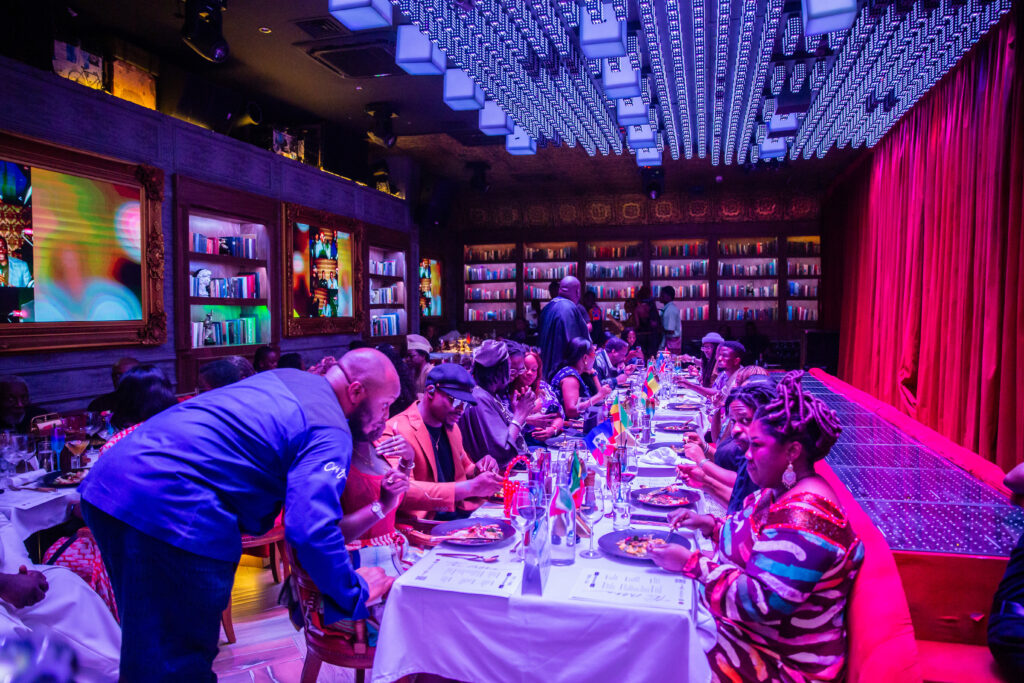
Food is far more than a basic necessity or a cultural centerpieceit is a powerful economic engine. On June 18th, 2026, in commemoration of World Gastronomy Day, industry leaders, policymakers, chefs, and investors gathered at The Library in Victoria Island, Lagos, for a landmark event that has permanently shifted the conversation around Nigeria’s food ecosystem.
Hosted by the Lagos State Ministry of Agriculture and Food Systems in partnership with Culinara Group, Tantacom, and the Most Influential People of African Descent (MIPAD), the eventthemed “A Seat at the Table”served as a rallying cry for the nation. It marked a definitive moment where practitioners and experts aligned to position culinary heritage and agribusiness as vital tools for national development.
Moving From Culture to Commerce
For too long, gastronomy has been viewed primarily through a cultural lens. The consensus from the World Gastronomy Day roundtable is clear: it is time to recognize food as a multi-billion naira industry capable of driving inclusive growth, creating sustainable jobs, and securing foreign investment.
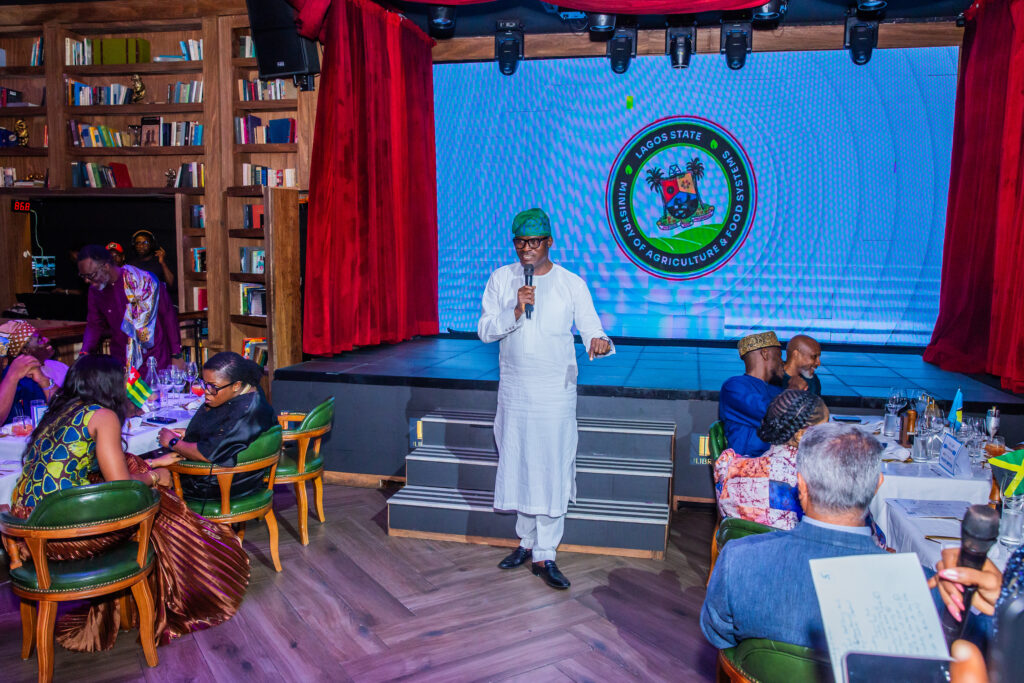
The Permanent Secretary of the Ministry, Mr. Emmanuel Audu, perfectly captured this intersection during the event proceedings:
“Gastronomy sits at the crossroads of culture and commerce. When we invest in our farmers, our chefs, and our food entrepreneurs, we invest in Nigeria’s future.”
The event brought together an influential room of decision-makers, including the Lagos State Commissioner for Agriculture and Food Systems, Hon. Abisola Olusanya; Special Adviser Dr. Oluwarotimi Fashola; and the Director-General of the National Council for Arts and Culture (NCAC), Sir Obi Asika. Their collective presence underscored a growing institutional commitment to taking Nigeria’s food economy seriously.

Connecting the Entire Value Chain
A robust gastronomy economy relies heavily on an integrated, intentional value chain. Real economic development happens when we strengthen the links connecting:
- The Soil: Supporting local smallholder farmers and ensuring sustainable sourcing.
- The System: Investing in modern food processing, distribution logistics, and waste reduction.
- The Space: Powering hospitality operators, restaurants, street food hubs, and culinary tourism.
When these sectors operate in alignment, the impact trickles down to everyday livelihoods. Industry experts at the event championed several strategic recommendations to institutionalize this growth. Key among these was the proposed establishment of a Lagos Gastronomy Council to bridge the gap between private practitioners and government policy, alongside advocating for dedicated grants and low-interest financing for food startups.
Introducing Eko Flavours Season 3.0: Cultivating Food Entrepreneurs
Building on the incredible momentum of past iterations, the official unveiling of Eko Flavours Season 3.0 stole the spotlight at the World Gastronomy Day event. For those who followed the journey last year, Season 2 was a spectacular celebration of taste, culinary skill, and raw talent that captured the hearts of food lovers across Nigeria. It proved that our local culinary scene possesses immense creative energy. However, Season 3.0 is designed to take that foundation and elevate it to a completely new level.
More than just a culinary competition, Season 3.0 is stepping forward as a dedicated incubator for food innovation, sustainability, and scalable business design. Moving beyond traditional cooking showcases, this season focuses heavily on the business behind the plate.
The platform is shifting its core focus toward empowering participants to build sustainable food enterprises, a transition detailed in recent framework briefs. This strategic evolution directly answers long-standing industry demands highlighted in policy discussions, where experts called for gastronomy to be treated as a practical tool for national development and economic self-reliance.
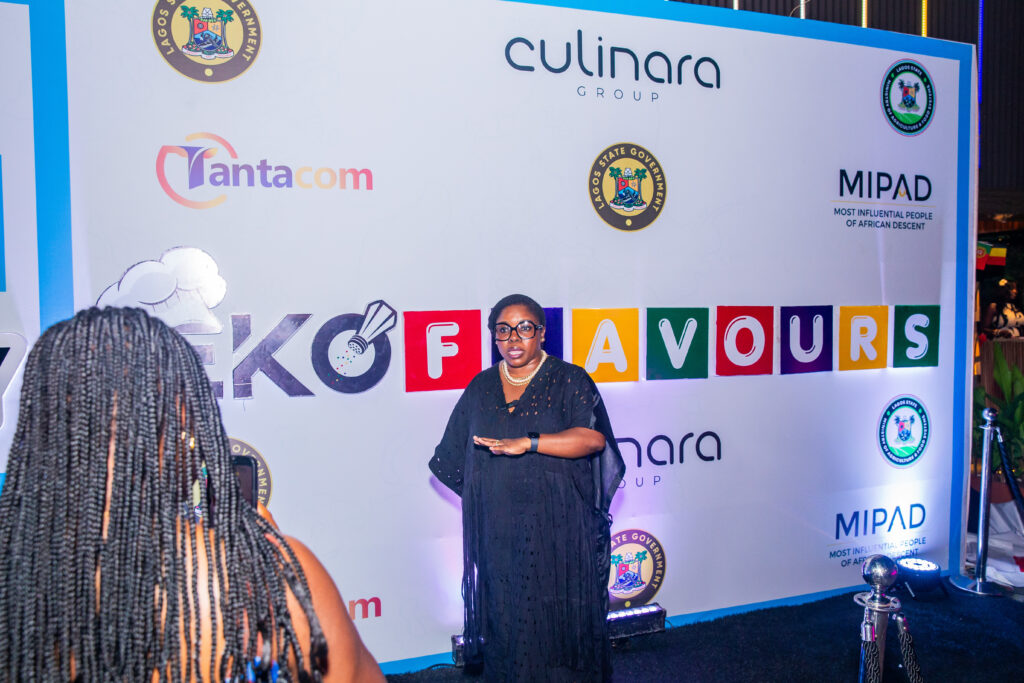
To achieve this, Season 3.0 will challenge participants to:
- Develop Viable Business Models: Shifting the focus from just creating a great recipe to understanding food costing, menu engineering, and profit margins.
- Master Sustainable Sourcing: Forging direct relationships with local smallholder farmers to build resilient, farm-to-table supply chains.
- Actively Tackle Food Waste: Implementing innovative, zero-waste kitchen practices that protect both the environment and bottom-line profitability.
By treating the culinary arts with strict professional discipline, Season 3.0 aims to transform passionate cooks into market-ready culinary entrepreneurs. This initiative will provide them with the foundational systems needed to build enterprises that can scale, attract investment, and thrive long after the competition concludes.
The extensive buzz across the country ranging from regional strategy briefs to national market commentary underscores the massive anticipation for this new chapter. Eko Flavours is no longer just discovering Nigeria’s best cooks; it is shaping the future leaders of Africa’s food economy.
National Industry Perspectives
The call to elevate Nigeria’s food economy has resonated deeply across multiple sectors. This collective drive for development has been widely documented by top-tier analysts and industry experts:
- National Frameworks: Industry briefs found in these analytical reviews and economic reports detailed how experts are structuring gastronomy as a blueprint for national development, a sentiment echoed broadly across real-time updates.
- Economic Strategy: The push for infrastructure and policy backing was a central focus in updates detailing the food economy transition and practitioner demands.
- Sector Potential: Critical insights from regional industry updates, territorial economic analyses, and national sector profiles reinforced why policymakers must view this as one of Nigeria’s most promising economic frontiers.
- Community and Innovation: Further deep dives into the event’s long-term outcomes and regional opportunities can be found on these metropolitan bulletins, news hubs, daily logs, national perspectives, and syndicated content feeds.
- Social Highlights: Captures from the event floor and key moments can be explored through community updates on Event Coverage Part 1 and Event Coverage Part 2.
The table is set, and the roadmap is clear. Unlocking Nigeria’s gastronomy economy requires deliberate cooperation between public intent, private equity, and creative strategy. By shifting our perspective from simply consuming food to scaling the entire food ecosystem, we can protect our urban culinary heritage, build sustainable businesses, and position Nigerian gastronomy as a dominant force on the global stage.
The journey has already begun. Stay tuned to Eko Flavours as we unfold the chapters of Season 3.0 and continue to pave the way for culinary excellence and economic impact.