
What if an ingredient’s value extends far beyond what we have learnt to do with it? What if the things […]

What if an ingredient’s value extends far beyond what we have learnt to do with it? What if the things […]
PRESS RELEASEFor Immediate ReleaseDate: 19 October 2026 Lagos, Nigeria – The competition is heating up as Eko Flavours Season 3,
Eko Flavours Season 3 Reveals Top 25 Contestants as the Competition Intensifies Read Post »
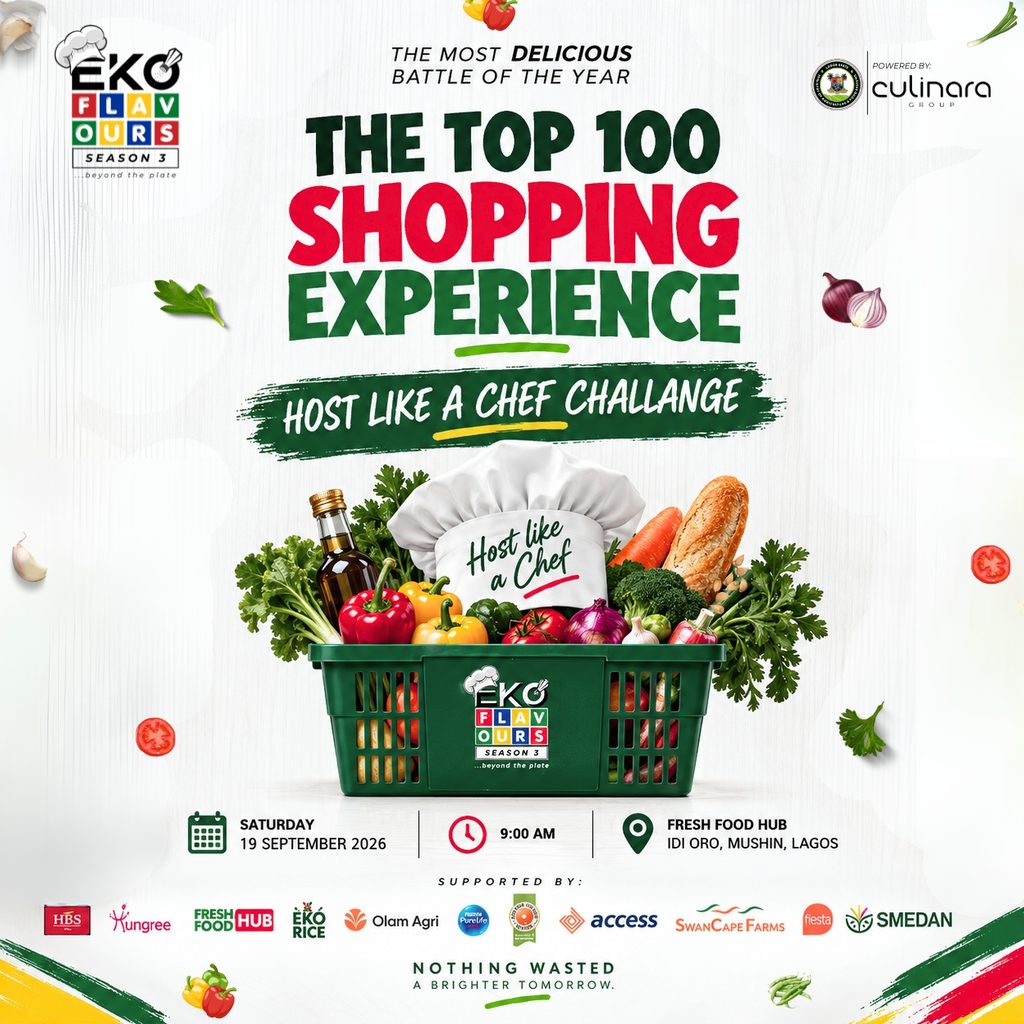
Eko Flavours, Africa’s premier culinary showcase powered by Culinara Group in partnership with the Lagos State Ministry of Agriculture &
Eko Flavours Season 3: Top 100 Contestants Unveiled at Lagos Fresh Food Hub Read Post »

Running a food business in Lagos is a masterclass in margin management. Between fluctuating market prices, foreign exchange volatility affecting
Why Zero-Waste Cooking Is the Ultimate Profit Hack for Lagos Food Businesses Read Post »
Lagos burns through thousands of tons of organic matter every single day. Fresh produce moves from regional farming hubs into
Running a food business in Lagos means fighting a relentless daily battle against rising ingredient prices, currency fluctuations, and unpredictable
How Zero-Waste Cooking Will Change the Profit Margins for Food Entrepreneurs in Lagos Read Post »
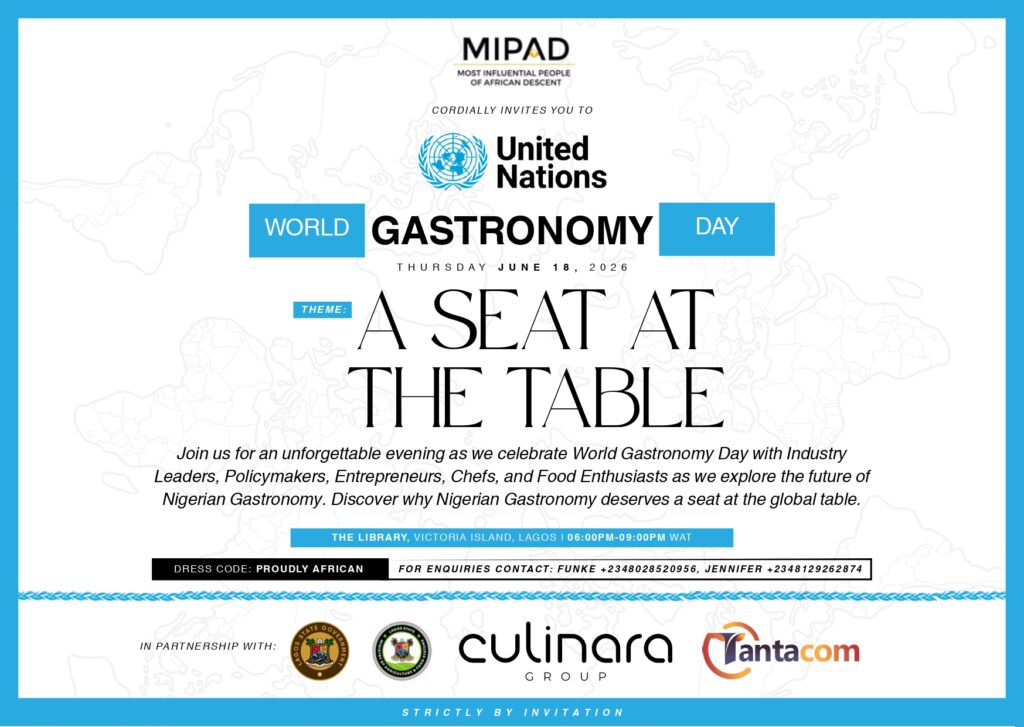
Food is far more than a basic necessity or a cultural centerpieceit is a powerful economic engine. On June 18th,
A Seat at the Table: Why Gastronomy is Nigeria’s Next Economic Frontier Read Post »
Last week, Eko Flavours joined the lineup at Motherland Festival 2025, headlining the event’s culinary programme. The festival served as
Eko Flavours at Motherland Festival 2025 Read Post »
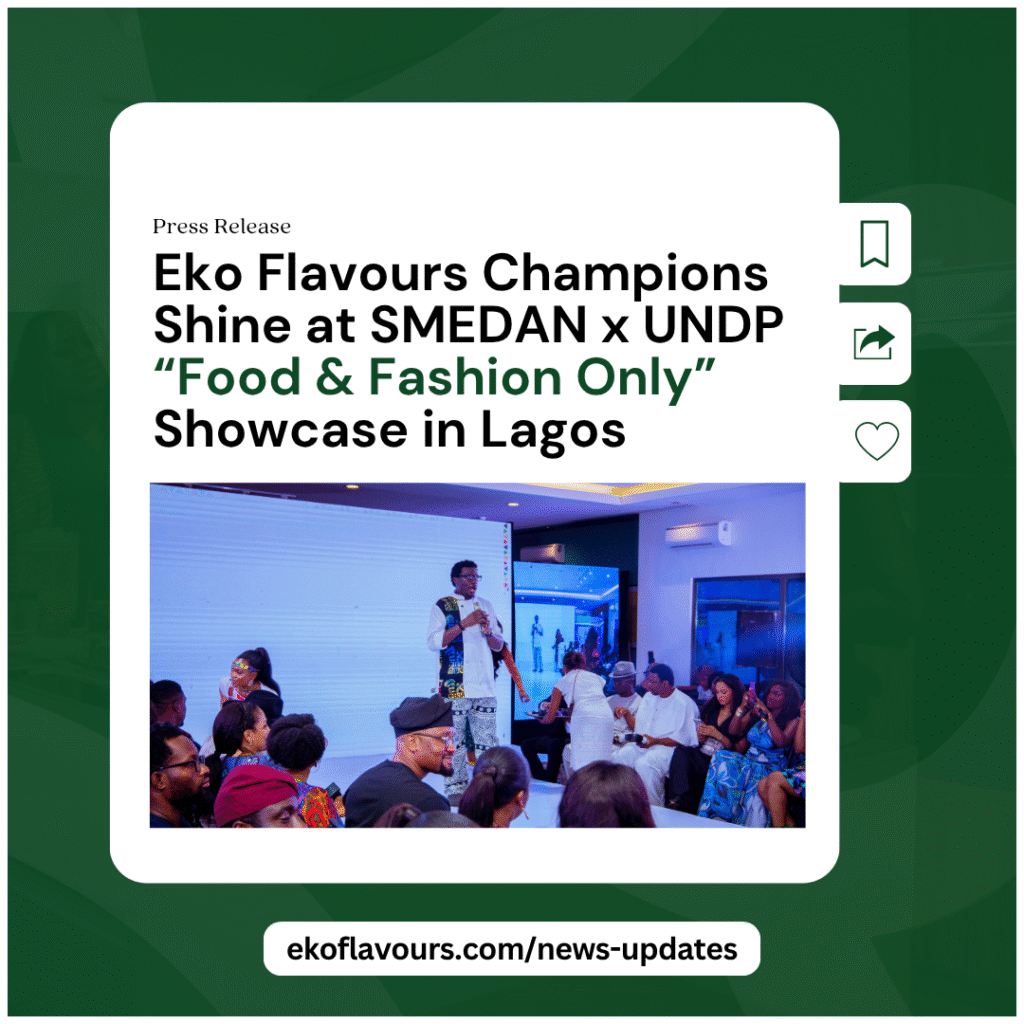
PRESS RELEASE Eko Flavours Champions Shine at SMEDAN x UNDP “Food & Fashion Only” Showcase in Lagos Lagos, Nigeria. The
Eko Flavours Champions Shine at SMEDAN x UNDP “Food & Fashion Only” Showcase in Lagos Read Post »
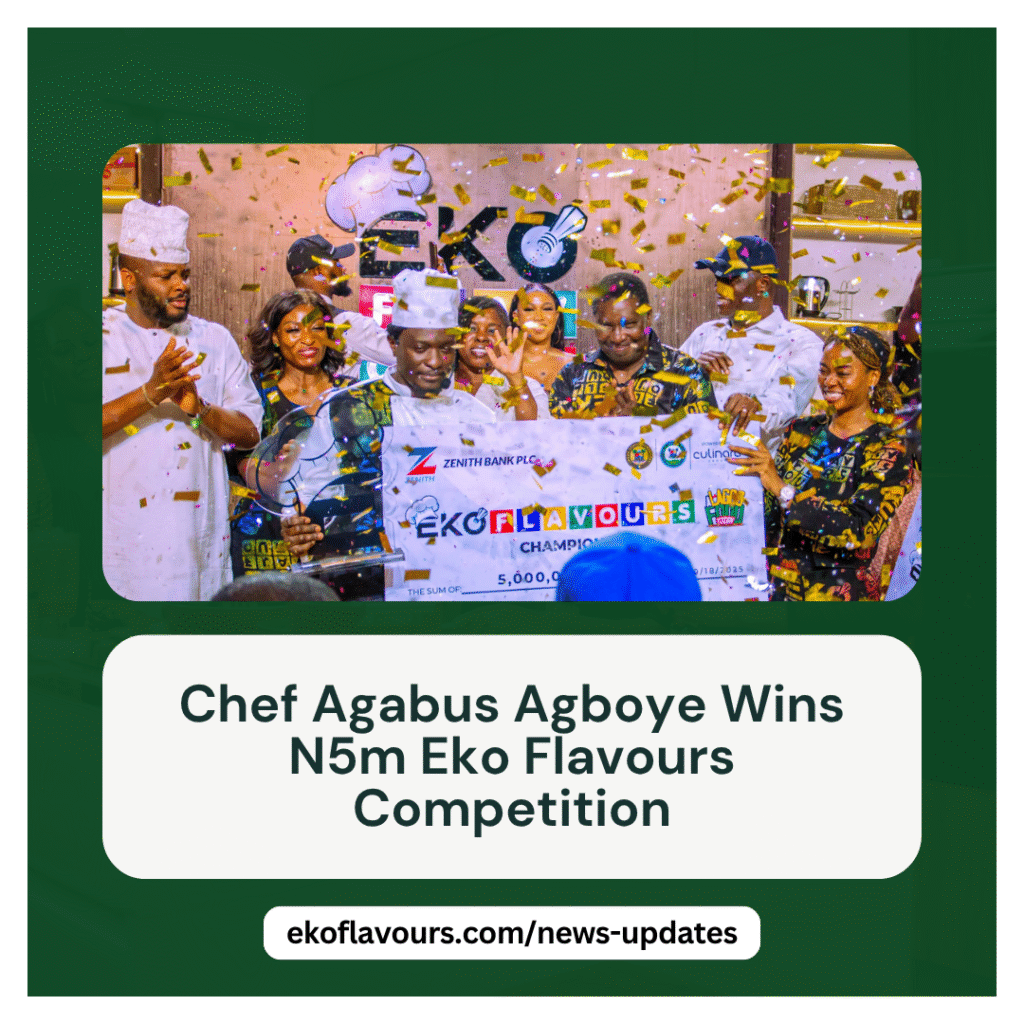
After a thrilling day of intense culinary competition and creative storytelling at the Grand Finale of Eko Flavours 2.0; A
Chef Agabus Agboye Crowned Eko Flavours 2025 Champion! Read Post »