
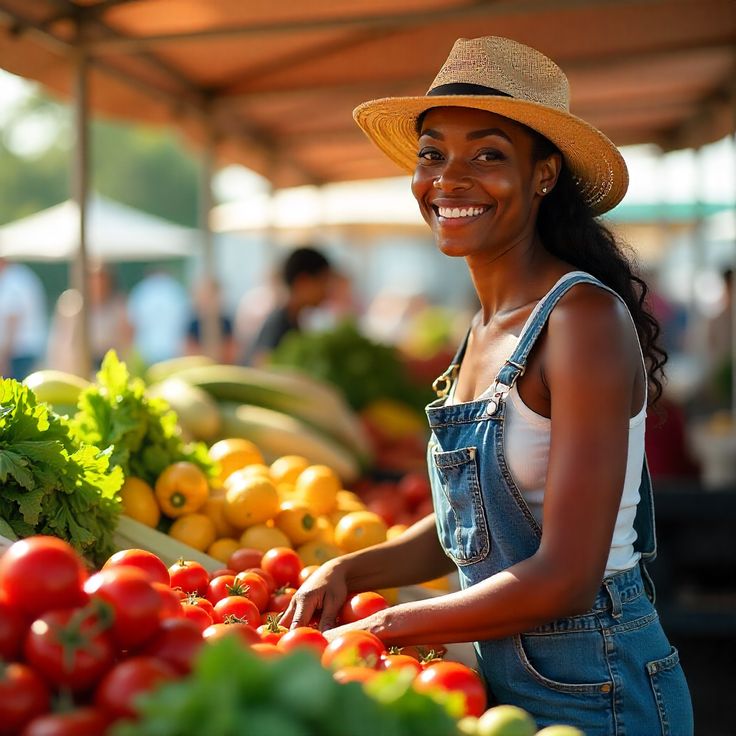
Running a food business in Lagos means fighting a relentless daily battle against rising ingredient prices, currency fluctuations, and unpredictable supply chains. Whether you operate a fine-dining restaurant in Lekki, manage a high-volume catering outfit in Ikeja, or run a bustling street-side bukatateria in Yaba, profitability is built or broken right at the prep station. Food Entrepreneurs in Lagos
For decades, the standard playbook for increasing culinary margins has been straightforward: chase higher sales volumes, negotiate aggressively with suppliers, or raise menu prices. But in an economy where consumer wallets are stretched thin, price hikes quickly hit a hard ceiling. Customers simply walk away. The most sustainable, scalable financial growth doesn’t sit in your pricing strategy it sits hidden in an overlooked, under-analyzed operational metric: kitchen waste.
As Eko Flavours Season 3 spotlights the “Nothing Wasted” ethos, zero-waste cooking is stepping out of the realm of environmental idealism and proving itself as a hard-nosed, high-yield financial strategy for commercial kitchens across Lagos.
1. The True Cost of the Trash Bin
In a standard commercial kitchen, food waste bleeds money across three distinct stages: spoilage from inadequate cold storage, prep waste from aggressive or untrained trimming, and plate waste from oversized, unbalanced portions returning uneaten.
The core financial mistake most kitchen managers make is treating prep scraps as free, inevitable trash. When a line cook throws away fish heads, meat trimmings, cassava peels, or vegetable stalks, your business isn’t just discarding organic matter, it is throwing away paid-for inventory that consumed market transport fees, cold storage electricity, and paid labor hours before ever touching a cutting board.
{Raw Ingredient Cost} + {Transport Fees} + {Prep Labor} = {Actual Value of Kitchen Waste} When you view kitchen scraps through this financial lens, an overflowing waste bin stops looking like the cost of doing business and starts looking like a massive, continuous leak in your balance sheet. Adopting a zero-waste framework systematically reclaims that lost value, driving down your Food Cost Percentage (FCP) without shrinking portions or compromising dish quality.
2. Turning Scraps into Revenue Engines
Zero-waste cooking isn’t about compromise, frugality, or serving inferior food; it is about absolute resource efficiency and culinary ingenuity. High-performing operators take prep scraps that used to go straight to the garbage bag and transform them into core revenue drivers and operational cost savings:
- Bones, Tails, Shells & Trimmings: Animal trimmings, fish heads, and prawn shells should never touch a trash bag. Simmered down over slow heat, they create rich, gelatinous stock bases, reduction glazes, or house-packaged bone broths that replace costly commercial bouillons and imported stock cubes.
- Vegetable Stems, Leaves & Peels: Dehydrate pepper stems, onion skins, garlic skins, and yam peels in low-heat ovens, then grind them into custom house seasoning blends. This single operational habit can eliminate recurring orders for packaged spices and chemical flavor enhancers entirely.
- Overripe Produce & Surplus Fruit: Convert soft tomatoes and peppers into rich, concentrated tomato pastes. Turn overripe plantains or bruised pineapples into sweet plantain bread, artisanal chutneys, or fermented signature beverages like homemade zobo reductions, pineapple-skin tepache, and ginger beers.
- Citrus Peels & Spent Herbs: Process citrus rinds into candied garnish for desserts, infuse them into neutral cooking oils for high-aroma frying, or boil them into high-potency extracts for baking and bar programs.
Every house-made stock, spice blend, or syrup crafted from upcycled scraps represents a direct line-item expense removed from your weekly market purchasing budget.
3. Beating Climate and Power Challenges
Humidity, traffic delays, and erratic power grids make raw ingredient spoilage a primary profit killer across Lagos State. Operators who master zero-waste kitchen management use ancestral preservation strategies to buffer their business against these harsh infrastructure challenges:
- Strict FIFO & Inventory Audits: Implementing rigorous First-In, First-Out rotation protocols ensures raw ingredients move through the kitchen at peak freshness before degradation sets in.
- Ancestral Preservation Techniques: Dehydration, smoking, pickling, and fermentation extend product shelf life by weeks or months while adding deep, complex flavor profiles to your menu. More importantly, preserved goods act as financial insurance during unexpected generator failures or market supply shortages.
- Precision Batch Control: Analyzing daily historical sales data to prep exact quantities stops over-cooking before it happens, keeping excess cooked food off the scrap pile at closing time.
4. Winning Market Share Through Sustainable Storytelling
Lagos diners are sharp, culture-conscious, and increasingly appreciative of culinary craftsmanship. Food enterprises that operate on a genuine zero-waste philosophy gain an authentic, compelling brand narrative that sets them apart in a crowded, noisy marketplace:
- High-Margin Menu Design: Featuring upcycled specials like a “Root-to-Stem” pepper soup or a craft cocktail built on fruit-scrap syrup spurs customer curiosity and commands premium pricing for ultra-low-cost raw ingredients.
- The B2B Competitive Edge: Corporate clients, festival organizers, and high-end event planners actively favor catering vendors who can prove low-impact, sustainable operations. Showing that your kitchen leaves a minimal environmental footprint gives you a distinct edge when pitching major corporate contracts.
In a demanding, hyper-competitive hospitality market, running a profitable food enterprise requires ruthless operational discipline. Zero-waste cooking isn’t an added operational burden or a public relations gimmick; it is a direct cost-reduction tool designed to protect your cash flow.
By utilizing every root, stem, bone, peel, and shell, Lagos food entrepreneurs will slash purchasing expenses, fortify their supply chains against economic shocks, and unlock significantly wider profit margins.